
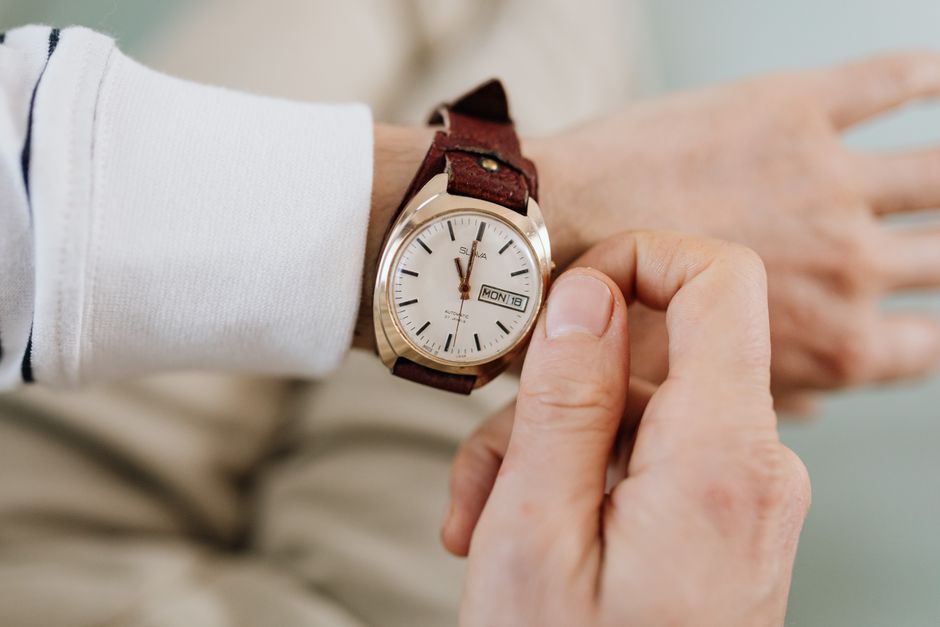
A dependable watch does much more than tell the time. It helps you stay on schedule, arrive on time for important meetings, and keep up with your daily routine. Whether you wear a luxury mechanical watch, a reliable quartz model, or a treasured family heirloom, accuracy is one of the qualities you expect every day. That's why noticing your watch losing time can be frustrating and concerning.
The good news is that a watch running slow doesn't always mean it's reached the end of its lifespan. In many cases, the problem is caused by normal wear, environmental conditions, or maintenance that has simply been delayed. Understanding the possible causes can help you decide whether your watch needs a quick adjustment, a battery replacement, or professional servicing before the issue becomes more serious.
Mechanical wear can reduce accuracy
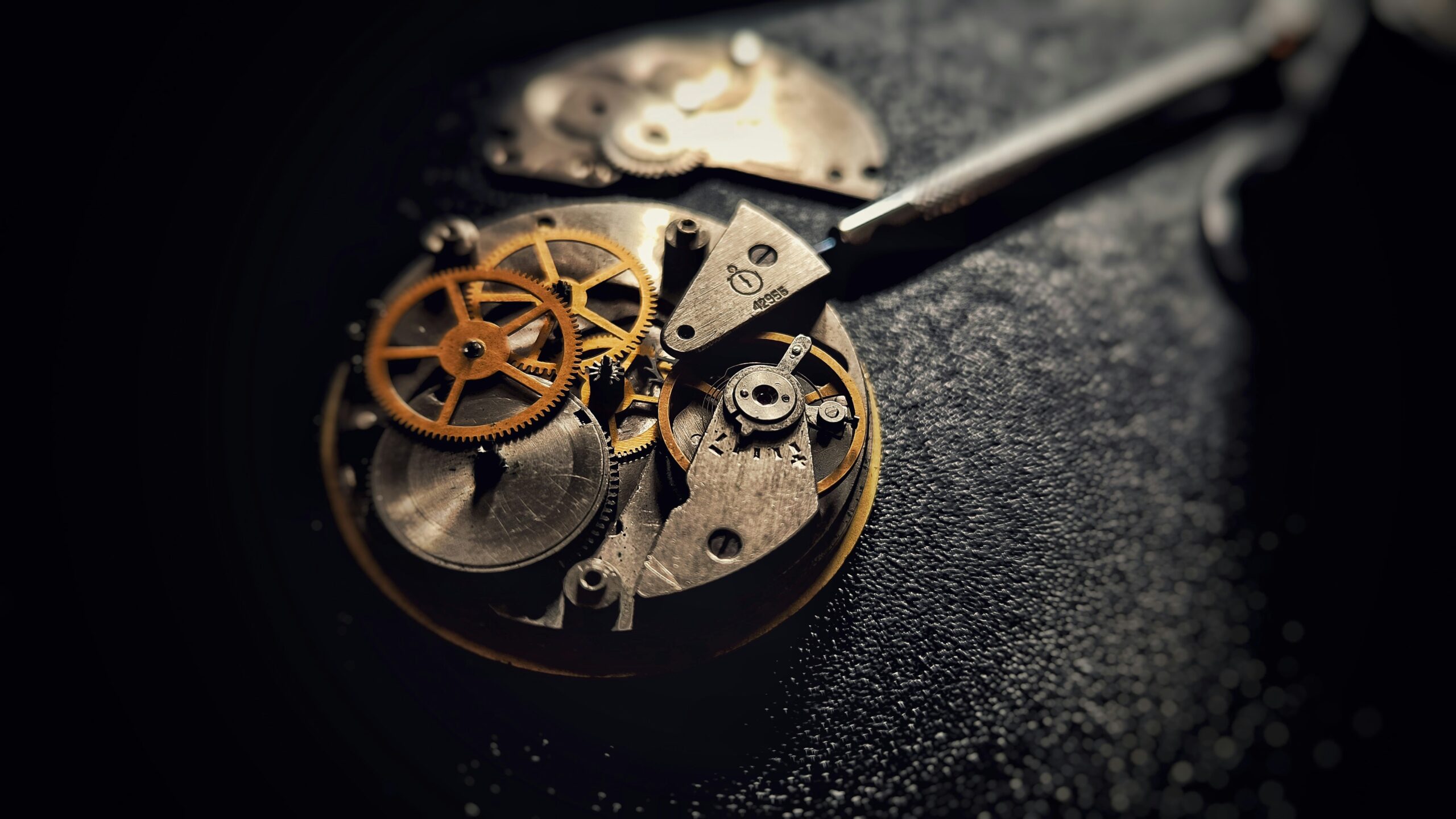
Mechanical watches are built with remarkable precision. Hundreds of tiny components work together continuously, and even the smallest amount of wear can affect performance over time.
Aging internal components
As a watch gets older, gears, pivots, jewels, and springs naturally experience friction. Although these parts are designed to last for years, they eventually begin to wear. When that happens, it's common to notice your watch losing time gradually instead of maintaining its original precision.
Lubrication breaks down
Every mechanical movement relies on specialized lubricants to reduce friction between moving parts. Over time, these oils dry out, become contaminated, or lose their effectiveness. Without proper lubrication, the movement works harder than intended, making accurate timekeeping difficult.
Regular servicing allows a watchmaker to completely disassemble the movement, clean every component, apply fresh lubricants, and regulate the watch to restore optimal performance.
Quartz watches can develop timing problems too
Quartz watches have earned a reputation for excellent accuracy, but they're still machines with electronic and mechanical components that require occasional attention.
An aging battery
One of the simplest explanations for watch losing time is a battery that is reaching the end of its life. As battery voltage decreases, the movement may begin running inconsistently before stopping altogether.
Fortunately, replacing the battery is usually quick and inexpensive, especially when performed by a professional who can also inspect the seals and test the watch afterward.
Electronic failures
If installing a new battery doesn't solve the issue, the problem may involve the quartz crystal, integrated circuit, or another electronic component inside the movement. These repairs require specialized equipment and should be handled by an experienced technician.
Everyday conditions that affect your watch
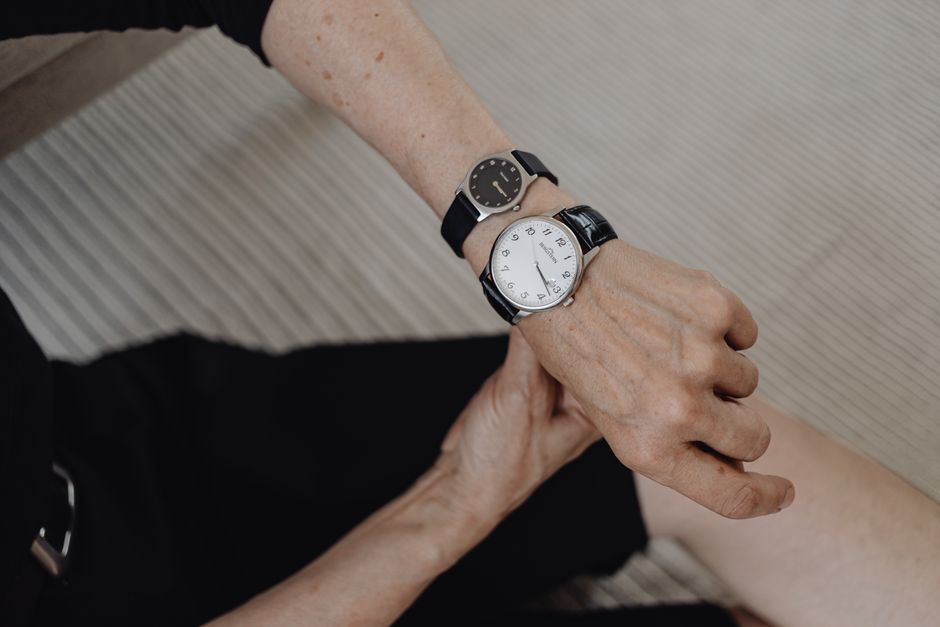
Even a well-maintained watch can lose accuracy because of the environment it's exposed to every day.
Magnetic fields
Modern life surrounds us with magnets. Smartphones, tablets, laptop computers, wireless chargers, speakers, handbags with magnetic clasps, and even some household appliances can expose a watch to magnetism.
When a mechanical movement becomes magnetized, the hairspring may stick together, disrupting normal operation. While magnetism often causes a watch to run fast, it can also contribute to watch losing time depending on how the movement is affected.
Extreme temperatures
Heat and cold influence the expansion and contraction of metal components. Although today's watches are designed to withstand changing temperatures, prolonged exposure to very hot or very cold environments may reduce their accuracy.
Avoid leaving your watch inside a hot vehicle or exposing it to freezing temperatures whenever possible.
Moisture inside the case
Water resistance doesn't last forever. Aging seals and accidental impacts can allow moisture to enter the case, creating condensation beneath the crystal.
Even a small amount of moisture can begin corroding delicate components. If you notice fog inside the crystal along with your watch losing time, professional service should be scheduled as soon as possible.
Daily habits that may be contributing
Sometimes the cause isn't an internal defect at all. Small habits can influence how well a watch performs.
Incorrect time adjustments
Setting the time while the date-change mechanism is engaged or forcing the crown improperly may affect the movement. Following the manufacturer's recommendations helps avoid unnecessary stress on internal parts.
Insufficient winding
Owners of manual and automatic watches sometimes mistake low power reserve for a mechanical failure. If the mainspring isn't fully wound, the watch may not maintain consistent accuracy throughout the day, creating the impression of watch losing time.
Automatic watches should also receive enough wrist movement to remain properly wound. If you wear multiple watches, a watch winder may help maintain power between uses.
Lack of preventive maintenance
Many people wait until their watch stops working before having it serviced. Unfortunately, internal wear begins long before complete failure occurs.
Routine inspections allow worn components to be replaced early, preventing more extensive, and more expensive, damage later.
Why you shouldn't ignore timing issues
It can be tempting to simply reset your watch every few days, but recurring accuracy problems usually indicate an underlying issue that deserves attention.
Small problems can become bigger repairs
What begins as dried lubrication or minor wear can eventually damage gears, pivots, or the escapement. Addressing the cause of watch losing time early often reduces repair costs and helps preserve the movement.
Protecting valuable timepieces
Luxury watches and family heirlooms often carry significant sentimental or financial value. Routine maintenance helps preserve both their appearance and long-term reliability.
Keeping service records may even help maintain resale value for collectible watches.
Simple ways to improve accuracy
Although some repairs require professional expertise, there are several habits every watch owner can adopt.
- Have mechanical watches professionally serviced every three to five years.
- Replace quartz batteries before they become completely depleted.
- Store your watch in a cool, dry location away from magnets.
- Clean the bracelet and case regularly using appropriate materials.
- Avoid dropping or striking the watch against hard surfaces.
- Have water resistance tested periodically, especially before swimming or traveling.
These simple steps can significantly extend the lifespan of almost any watch.
Knowing when it's time for professional service
If you've already replaced the battery, ensured your automatic watch is fully wound, and verified the time was set correctly, but you're still experiencing watch losing time, it's time to have the movement professionally evaluated.
Signs that shouldn't be ignored include:
- The watch loses several minutes every day.
- Condensation appears inside the crystal.
- The second hand skips or behaves erratically.
- The crown becomes difficult to wind or set.
- The watch recently suffered an impact.
- Accuracy continues getting worse over time.
Professional diagnostics can identify problems before they develop into complete movement failures.
Keep your watch performing like it should
Whether your timepiece is mechanical or quartz, accurate performance depends on proper maintenance and timely repairs. Ignoring watch losing time may seem harmless at first, but delaying service often allows minor issues to become more complicated and expensive. By understanding the most common causes, practicing good maintenance habits, and seeking expert help when needed, you can keep your favorite watch performing reliably for many years.
If you're searching for trusted watch repair in San Antonio, Moses Jewelers is an excellent choice for keeping your timepiece in peak condition. Our experienced team works with both luxury and everyday watches, providing everything from battery replacements and movement regulation to complete overhauls and precision repairs. Whether you've noticed your watch losing time recently or simply want preventive maintenance to protect your investment, at Moses Jewelers we combine skilled craftsmanship, attention to detail, and personalized service to help your watch continue performing with the accuracy you expect.