Gold remains one of the most recognizable precious metals in the world, but owning gold does not mean you have to keep every piece forever. Old rings, broken chains, mismatched earrings, unwanted bracelets, coins, and other pieces may represent an opportunity to turn something unused into money. If you are considering selling, understanding the process can help you make a confident decision.
When you decide to sell gold for cash, the amount you receive depends on more than appearance. Purity, weight, current market conditions, and the type of gold all influence its value. Learning how buyers evaluate these factors can help you recognize a fair offer and avoid common mistakes.
Understanding the gold market
Before you sell gold for cash, it helps to understand why gold prices change. Gold is traded in global markets, so its value can move in response to economic and financial conditions.
What influences gold prices?
Gold prices can be affected by inflation, interest rates, currency movements, investor demand, and geopolitical uncertainty. During economic instability, demand may increase because many investors view gold as a store of value.
Why the market price is not your final offer
One important point to understand before you sell gold for cash is that the market price of gold is not necessarily the amount a buyer will pay for jewelry. Most gold jewelry is an alloy rather than pure gold, and buyers must account for purity, weight, refining costs, and other business expenses.
Types of gold you can sell
Different karats of gold
Gold purity is measured in karats. Pure gold is 24K, while jewelry is commonly made from 10K, 14K, or 18K gold. The karat marking indicates how much pure gold is present in the alloy.
For example, 14K gold contains approximately 58.5% pure gold, while 18K contains approximately 75%. Higher karat generally means more gold per gram and greater intrinsic value.
Before you sell gold for cash, check your jewelry for markings such as 10K, 14K, 18K, or 24K. These markings provide useful information, although professional testing is still important because stamps alone do not prove authenticity.
Jewelry, coins, and bullion
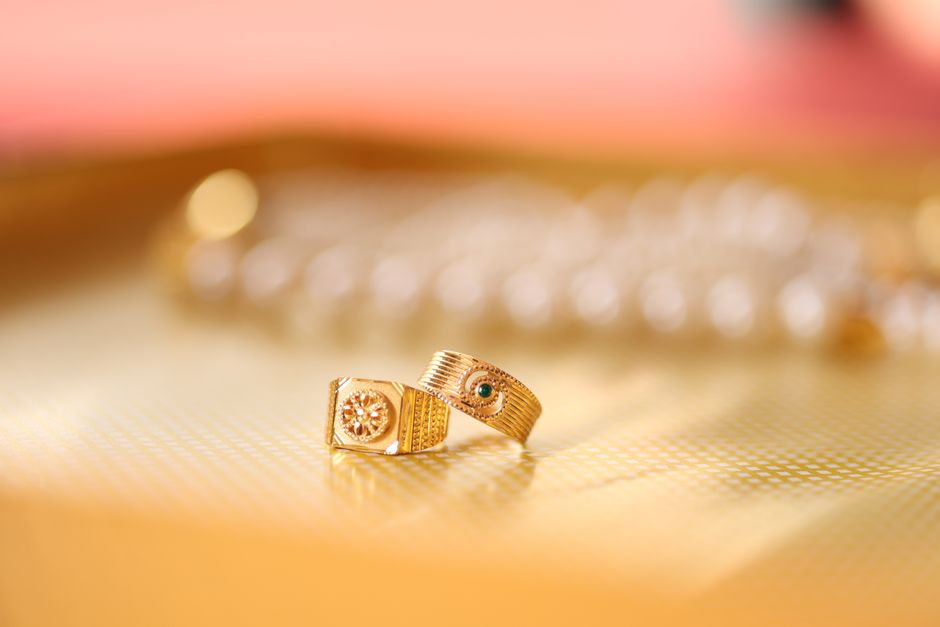
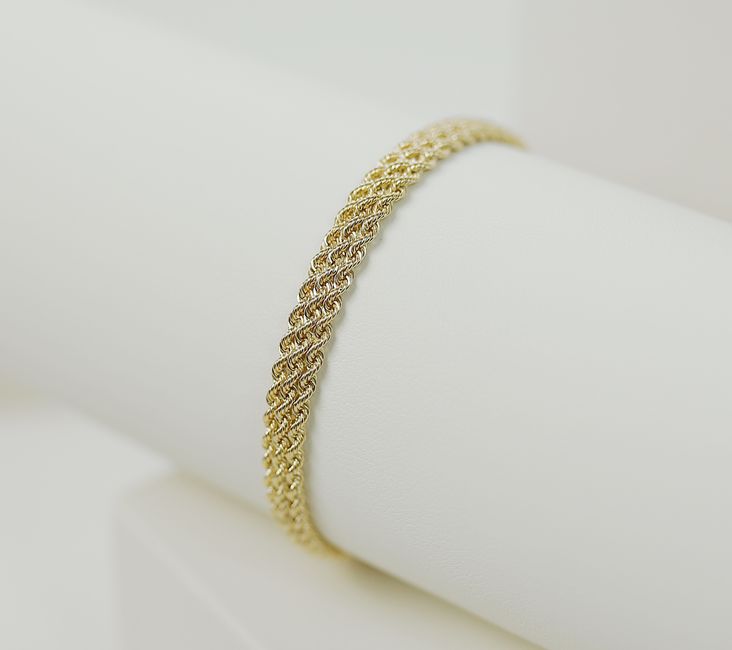
Gold jewelry is commonly evaluated according to its gold content, weight, and purity. Some pieces may also have value because of their design, gemstones, age, brand, or collectibility.
Gold coins and bullion can have recognized investment or collector value beyond their melt value. This is why you should not assume every gold item should automatically be valued only for its raw metal content.
Why people sell their gold
Turning unused jewelry into cash
Jewelry that sits in a drawer for years can represent money that is no longer serving a purpose. Selling unwanted pieces can turn those items into funds for everyday expenses, savings, travel, or another financial goal.
Broken jewelry can also have value. A damaged chain or ring may not be wearable, but its gold content can still be evaluated.
Decluttering and simplifying
If you sell gold for cash, you can simplify your collection while potentially receiving value for items that would otherwise remain unused.
How to determine what your gold is worth
Weight and purity
Gold buyers generally consider weight and purity together. A heavier item is not necessarily worth more if it has a significantly lower gold content.
Professional scales provide precise measurements, while testing methods can help verify whether a piece is 10K, 14K, 18K, or another purity.
Testing and authentication
Professional testing is especially important when jewelry has unclear markings or when several metals are involved. Depending on the item, a jeweler may use acid testing, electronic testing, or other methods to determine composition.
Accurate testing protects both the seller and the buyer. It also gives you a clearer understanding of what you own before you sell gold for cash.
Consider more than melt value
Not every gold item should automatically be treated as scrap. Antique jewelry, designer pieces, collectible coins, and jewelry containing valuable gemstones may deserve a more detailed evaluation.
How to compare gold buyers
Choosing where to sell can be just as important as understanding the gold itself.
Before you sell gold for cash, remember that a clear evaluation is just as important as the final amount offered.
Get more than one offer
Comparing offers is one of the simplest ways to understand whether a proposed price is competitive. Ask each buyer how they determine the value and whether they are evaluating the piece for its gold content, resale potential, or both.
If you sell gold for cash without comparing offers, you may have less information when deciding whether the price is fair.
Look for transparency
A reputable buyer should explain the process clearly. You should understand how your gold is weighed, how purity is determined, and what factors influence the final offer.
Local vs. online buyers
Online services may offer convenience, but mailing valuable jewelry requires trust and careful consideration of shipping, insurance, and payment policies.
A local jeweler allows you to have your items evaluated in person and ask questions throughout the process. For many sellers, that direct interaction provides greater peace of mind.
Preparing before the sale
Gather your gold
Collect the pieces you are considering selling and separate them by type if possible. Look for karat markings and keep related pieces together.
Research the current market
Checking the current gold price before your appointment gives you useful context. Remember that the market price represents the value of pure gold, while jewelry offers can differ because of purity, weight, refining, and other costs.
What to avoid when selling gold
The wrong approach can reduce your return or create unnecessary risk.
Don't accept pressure
You should never feel obligated to accept an offer immediately. A reputable buyer should give you enough time to understand the evaluation and make your decision.
Don't assume all gold is worth the same
A 10K ring and a 24K coin can have very different values, even if they weigh the same. Purity, form, craftsmanship, collectibility, and market demand can all affect the final price.
Don't ignore sentimental or collector value
Before you sell gold for cash, consider whether a piece has family significance, historical importance, or collectible appeal. Once an item is sold for its metal value, recovering it may not be possible.
Choosing gold buyers in San Antonio
The right buyer can make it easier to sell gold for cash with confidence.
If you are ready to turn unwanted jewelry into money, selecting an established local buyer can make the experience more straightforward. Moses Jewelers is a trusted choice for gold buyers in San Antonio, offering professional evaluations and a transparent approach to purchasing gold.
Our team understands that every piece is different. We consider purity, weight, condition, and current market conditions to provide a fair, competitive price with a clear explanation of your offer.
Whether you have broken jewelry, outdated pieces, unwanted gifts, coins, or other gold items, our goal is to make the process straightforward. If you are ready to sell gold for cash, Moses Jewelers gives you the opportunity to have your items professionally evaluated by an experienced jewelry team without unnecessary pressure.
When you are ready to sell gold for cash, choose a buyer that values transparency as much as the transaction itself. Moses Jewelers can help you understand the value of your gold, receive a fair offer, and make an informed decision.